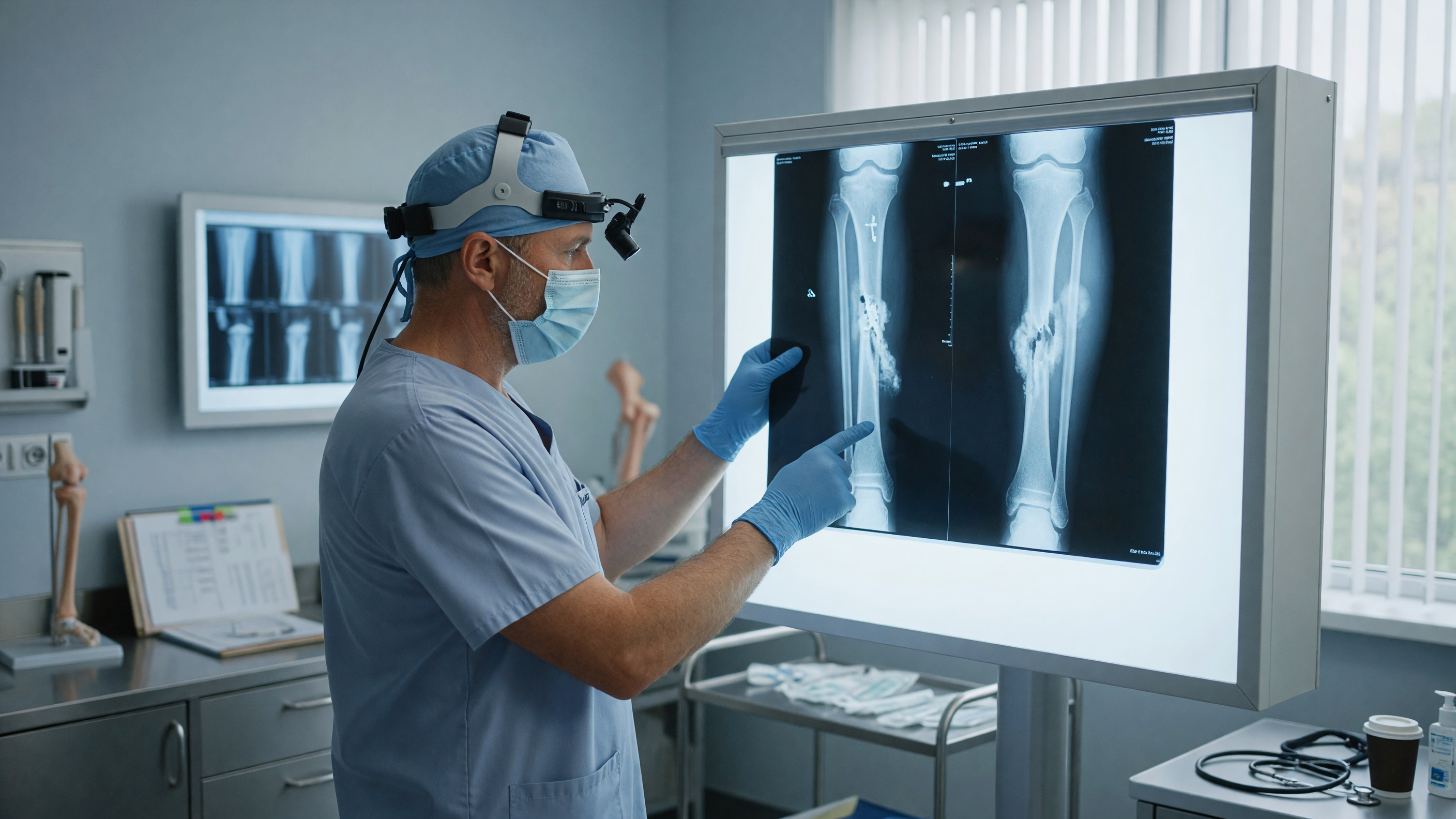
Persistent pain after a fracture can mean the bone is failing to heal properly, a condition called delayed union or non-union. While some soreness is normal during recovery, pain that lingers for months or worsens deserves urgent evaluation. This article explains why fractures fail to heal, the warning signs to watch for, and how doctors diagnose and treat the problem. You will also learn which risk factors slow bone repair and when to see a specialist. Understanding these signals early helps protect your mobility and prevent long-term complications after a broken bone.
What Is Persistent Pain After a Fracture?
Persistent pain after fracture is ongoing discomfort that continues well beyond the expected healing window. Most fractures ease steadily over six to twelve weeks.
When pain lingers, sharpens, or returns after improving, the bone may not be knitting together as it should.
Common patterns patients report include:
- Pain lasting beyond three months
- Discomfort worsening instead of easing
- Tenderness directly over the fracture
- Pain with weight or movement
- Aching that disturbs sleep
If pain persists after your cast comes off, consult the fracture specialists at Lux Hospitals.
Normal Healing vs. a Failing Bone
Normal healing follows predictable stages, with pain fading as new bone forms. A failing bone stalls at some point in this process.
Knowing the difference helps you react early. Compare the two patterns below:
- Normal — pain lessens week by week
- Normal — swelling steadily subsides
- Failing — pain plateaus or returns
- Failing — movement at fracture site
- Failing — persistent warmth or swelling
Warning Signs the Bone May Not Be Healing
Certain signals suggest the bone is struggling to unite. Recognizing them early can prevent lasting damage.
Seek evaluation if you notice any of these red flags:
- Pain lasting longer than expected
- A gap or movement you can feel
- Grinding or clicking near the break
- Swelling that never fully settles
- Inability to bear weight comfortably
- Visible deformity or angulation
Don't dismiss these warning signs—book an assessment for your bone fracture treatment at Lux Hospitals.
Delayed Union, Non-Union, and Malunion
Doctors classify healing problems into three main types. Each affects recovery differently.
Understanding the terms helps you follow your treatment plan:
- Delayed union — slower than expected healing
- Non-union — bone stops healing entirely
- Malunion — bone heals in wrong position
- Atrophic non-union — poor blood supply
- Hypertrophic non-union — inadequate stability
Why Fractures Fail to Heal
Bones need stability, blood supply, and nutrition to mend. When any of these falter, healing stalls.
Several factors can interfere with proper repair:
- Poor blood flow to the bone
- Inadequate immobilization or fixation
- Infection at the fracture site
- Severe or shattered fractures
- Gaps between broken bone ends
- Smoking and poor nutrition
Who Is at Higher Risk
Some people are more prone to non-healing fractures. Age, health, and lifestyle all play a role.
Risk rises significantly for those with these factors:
- Older adults with osteoporosis
- Diabetics with reduced circulation
- Smokers and heavy alcohol users
- People on long-term steroids
- Those with poor calcium or vitamin D
- Patients with previous non-union
Concerned about your risk? The team at Lux Hospitals can evaluate your healing and bone health.
Complications of Ignoring the Pain
Untreated non-union does not resolve on its own. Delaying care can lead to worsening problems.
Ignoring persistent pain may result in:
- Chronic, disabling pain
- Permanent deformity or shortening
- Loss of joint mobility
- Muscle wasting and weakness
- Higher risk of arthritis nearby
- More complex surgery later
How Doctors Diagnose a Non-Healing Fracture
Diagnosis combines your history, an examination, and imaging. Specialists look for signs the bone is failing to unite.
Common diagnostic steps include:
- Physical exam for tenderness and movement
- X-rays to track bone bridging
- CT scan for detailed bone gaps
- MRI to assess soft tissue
- Blood tests to rule out infection
- Assessing vitamin D and calcium
Get an accurate diagnosis—schedule advanced imaging and expert review at Lux Hospitals.
Treatment Options at Lux Hospitals
Treatment depends on the type of healing failure and its cause. Options range from conservative to surgical.
Your specialist may recommend one of these approaches:
- Bone stimulation and improved immobilization
- Open reduction internal fixation (ORIF)
- Intramedullary nailing for long bones
- External fixation for complex cases
- Bone grafting to fill gaps
- Ilizarov ring fixator for reconstruction
Explore personalized fracture treatment tailored to your recovery at Lux Hospitals.
Tips to Support Healthy Bone Healing
Your daily habits directly influence how well a fracture heals. Small changes can make a big difference.
Support your recovery with these steps:
- Quit smoking completely
- Eat protein, calcium, and vitamin D
- Follow immobilization instructions carefully
- Attend all follow-up appointments
- Avoid premature weight-bearing
- Manage diabetes and chronic conditions
Why Choose Lux Hospitals?
Lux Hospitals combines experienced orthopedic surgeons with advanced imaging and modern surgical techniques. We treat simple and complex non-union fractures.
Patients choose us for:
- Skilled fracture and trauma specialists
- Comprehensive diagnostic imaging
- Full range of fixation techniques
- Personalized rehabilitation plans
- Focus on restoring mobility
- Compassionate, patient-centered care
Reclaim pain-free movement—consult the orthopedic experts at Lux Hospitals today.
Conclusion
Persistent pain after a fracture is never something to ignore. While mild discomfort is part of recovery, pain that lingers, worsens, or returns may signal that the bone is failing to heal. Early recognition of these warning signs allows timely diagnosis and treatment, preventing chronic pain, deformity, and lost mobility.
Risk factors like smoking, osteoporosis, and poor nutrition can slow healing, but many can be managed. With accurate imaging and the right surgical or non-surgical approach, most non-union fractures can be successfully treated. If your pain isn't improving as expected, don't wait—speak with an orthopedic specialist at Lux Hospitals to protect your long-term bone health and get back to living fully.