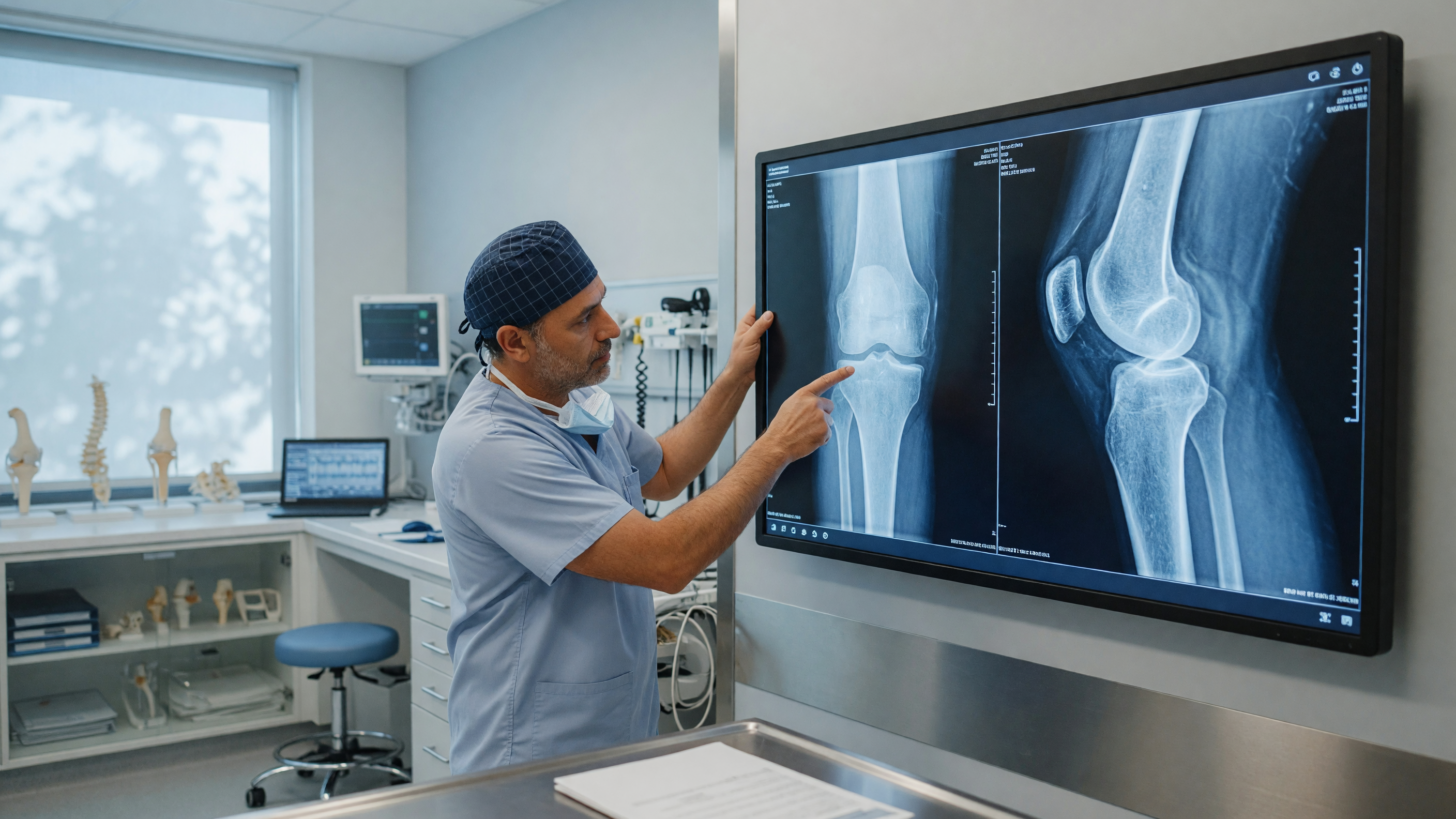
Chronic osteomyelitis treatment usually combines long-term antibiotics with surgery to remove infected, dead bone and restore healthy tissue. This persistent bone infection develops when bacteria linger after injury, surgery, or an untreated acute infection. Left unmanaged, it can cause pain, drainage, and lasting bone damage. This article explains what chronic osteomyelitis is, its main causes, warning symptoms, how doctors diagnose it, and the modern treatment options available at Lux Hospitals. You will also learn about complications, prevention, and recovery, so you can act early and protect your bone health with confidence.
What Is Chronic Osteomyelitis?
Chronic osteomyelitis is a long-lasting bone infection that persists or recurs over months or years. It often follows an untreated or poorly treated acute infection.
Infection causes bone to die, forming pockets that shelter bacteria from the immune system. This makes the condition stubborn and hard to clear.
Key features include:
- Persistent or recurring bone infection
- Dead bone fragments called sequestra
- Pus formation and draining sinuses
- Slow, insidious progression over time
Concerned about a persistent bone infection? Consult the orthopedic experts at Lux Hospitals today.
Common Causes of Chronic Osteomyelitis
Chronic osteomyelitis develops when bacteria reach the bone and survive treatment. The most common culprit is Staphylococcus aureus.
Infection can enter through injury, surgery, or spread from nearby tissue or blood.
Common causes include:
- Open fractures exposing bone to bacteria
- Complications after orthopedic surgery
- Spread from nearby soft-tissue infections
- Bloodstream infections reaching bone
- Poorly healed diabetic foot ulcers
After a serious injury, timely bone fracture treatment can help prevent dangerous infections.
Warning Signs and Symptoms
Symptoms may develop slowly and come and go. Recognizing them early helps prevent lasting bone damage.
Many patients notice persistent discomfort near the affected bone.
Symptoms may include:
- Ongoing deep bone pain
- Swelling, warmth, and redness
- Pus or fluid draining from skin
- Low-grade fever and fatigue
- Reduced movement in the limb
Don't ignore ongoing bone pain or drainage—get evaluated at Lux Hospitals promptly.
Who Is at Higher Risk?
Certain conditions weaken the body's ability to fight bone infections. People with reduced circulation or immunity face higher risk.
Understanding your risk helps guide prevention and early screening.
Risk factors include:
- Diabetes and poor blood circulation
- Weakened or suppressed immune system
- Recent bone surgery or implants
- Smoking and heavy alcohol use
- History of open fractures
Possible Complications If Untreated
When left untreated, chronic osteomyelitis can cause serious, lasting harm. Persistent infection damages surrounding bone and tissue.
Early treatment greatly reduces these risks.
Complications may include:
- Permanent bone deformity or weakness
- Repeated fractures at the infected site
- Spread of infection to joints
- Chronic draining wounds
- Rare risk of blood infection
Protect your bone health—schedule an assessment with the specialists at Lux Hospitals.
How Chronic Osteomyelitis Is Diagnosed
Diagnosis combines physical examination, imaging, and laboratory tests. Doctors confirm infection and identify the responsible bacteria.
Accurate diagnosis guides targeted, effective treatment.
Common diagnostic tools include:
- Blood tests for infection markers
- X-rays showing bone changes
- MRI or CT scans for detail
- Bone biopsy and tissue culture
- Wound cultures from draining sites
Antibiotic Therapy for Bone Infection
Antibiotics are central to chronic osteomyelitis treatment. Doctors select drugs based on the specific bacteria found.
Therapy is often long, sometimes lasting several weeks or months.
Antibiotic care may involve:
- Intravenous antibiotics initially
- Switch to oral antibiotics later
- Extended courses lasting weeks
- Culture-guided drug selection
- Regular monitoring for side effects
For personalized bone infection care, trust the experienced team at Lux Hospitals.
Surgical Treatment Options
Surgery is often needed to remove dead, infected bone. Antibiotics alone rarely clear stubborn chronic infection.
Surgeons clean the area and support healing and stability.
Surgical options may include:
- Debridement of infected, dead bone
- Drainage of abscesses and pus
- External fixation to stabilize bone
- Bone grafting to fill defects
- Ilizarov techniques for reconstruction
Recovery and Rehabilitation
Recovery from chronic osteomyelitis takes patience and consistent follow-up. Healing depends on infection severity and overall health.
Rehabilitation restores strength and function gradually.
Recovery typically involves:
- Completing the full antibiotic course
- Wound care and dressing changes
- Physical therapy for mobility
- Regular imaging and follow-up visits
- Nutrition support for bone healing
Whether it's a fracture or complex bone problem, effective fracture treatment supports faster recovery.
How to Prevent Chronic Osteomyelitis
Prevention focuses on treating infections early and caring for wounds properly. Managing chronic conditions also lowers risk.
Simple habits protect your bones over time.
Prevention tips include:
- Clean and dress wounds promptly
- Treat infections without delay
- Control blood sugar in diabetes
- Avoid smoking and excess alcohol
- Follow post-surgery care instructions
Why Choose Lux Hospitals?
Lux Hospitals offers advanced, comprehensive care for bone infections. Our team combines expert surgeons, imaging, and tailored treatment plans.
We treat a wide range of orthopedic conditions with proven expertise.
What sets us apart:
- Experienced orthopedic and infection specialists
- Advanced diagnostic imaging facilities
- Personalized surgical and antibiotic plans
- Comprehensive rehabilitation support
- Care for joint pain and injuries
Take the first step toward healthy bones—book your consultation at Lux Hospitals today.
Conclusion
Chronic osteomyelitis is a serious but treatable bone infection when addressed early and correctly. Successful chronic osteomyelitis treatment usually combines targeted antibiotics with surgery to remove dead bone and restore healthy tissue. Recognizing early symptoms like persistent pain, swelling, or drainage can prevent lasting damage and complications.
With the right specialist care, most patients recover well and regain function. At Lux Hospitals, our orthopedic team provides accurate diagnosis, personalized treatment, and dedicated rehabilitation support. If you suspect a bone infection or struggle with recurring symptoms, don't delay. Seek expert evaluation promptly to protect your bones, mobility, and long-term quality of life.