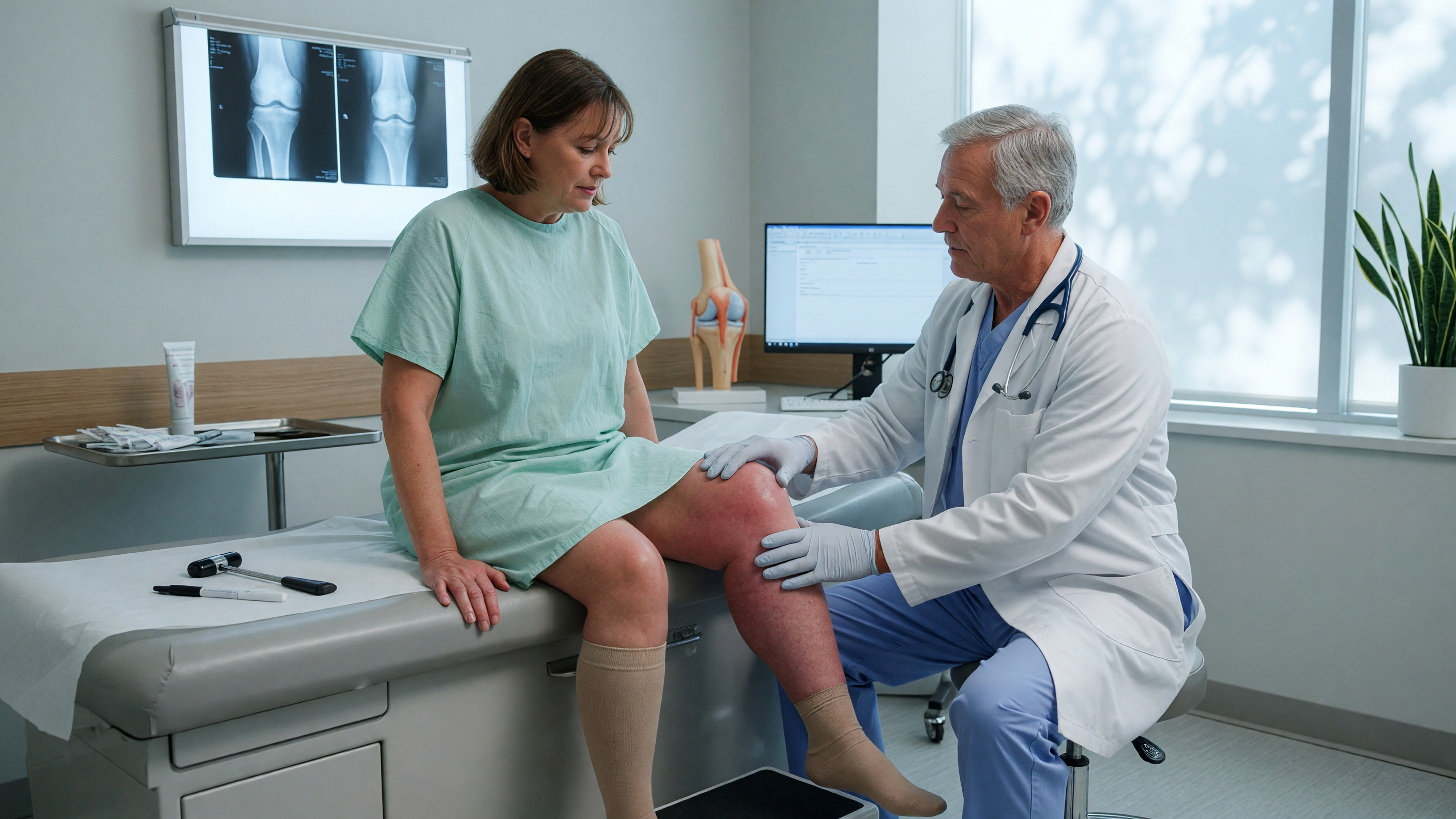
Swelling near a bone is usually caused by an injury, inflammation, infection, or fluid buildup around the bone or nearby joint. Most cases stem from fractures, sprains, arthritis, or overuse, but sudden or persistent swelling can signal something serious. This article explains the most common swelling near bone causes, the warning signs to watch for, and exactly when to get evaluated. You will also learn how doctors diagnose the problem and the treatment options available. Understanding the cause early helps you protect the affected limb and avoid lasting damage.
What Is Swelling Near a Bone?
Swelling near a bone means fluid, blood, or inflamed tissue has built up around the bone or a nearby joint. It often looks puffy, feels firm, and may be warm or tender.
The swelling itself is a symptom, not a diagnosis. It signals your body is responding to injury, inflammation, or infection.
Common features you may notice:
- Visible puffiness or a lump
- Warmth over the area
- Pain that worsens with movement
- Stiffness in a nearby joint
- Redness or bruising
Notice unexplained swelling near a bone? Book an evaluation with the orthopedic experts at Lux Hospitals.
1. Injury and Fractures
Trauma is the most common reason for sudden swelling near a bone. A fall, blow, or twist can cause a fracture or bruise that inflames surrounding tissue.
After injury, rapid swelling, bruising, and difficulty bearing weight often point to a broken bone rather than a simple sprain.
Injury-related causes include:
- Broken bones or hairline fractures
- Bone bruising after impact
- Sprains and soft-tissue tears
- Dislocations near a joint
- Stress fractures from repetition
If you suspect a break, explore expert bone fracture treatment at Lux Hospitals without delay.
2. Arthritis and Joint Problems
Arthritis causes chronic inflammation where bones meet at a joint, leading to persistent swelling. This is common in the knees, hips, and shoulders.
The swelling usually builds slowly and comes with stiffness, especially in the morning.
Arthritis-related swelling may appear with:
- Aching pain during movement
- Reduced range of motion
- Grinding or clicking sensations
- Warmth around the joint
- Gradual joint deformity
Struggling with painful joints? Learn about advanced knee osteoarthritis treatment at Lux Hospitals.
3. Overuse, Tendon and Ligament Injuries
Repeated strain can inflame tendons, ligaments, and the fluid-filled sacs (bursae) near bones. Athletes and manual workers are especially prone.
Swelling from overuse often develops gradually and eases with rest, but ignoring it can worsen the damage.
Common overuse injuries include:
- Tendinitis and bursitis
- Knee ligament and meniscus injuries
- ACL and rotator cuff tears
- Repetitive strain swelling
- Shoulder tendon inflammation
4. Bone or Soft-Tissue Infection
An infection in the bone (osteomyelitis) or nearby tissue can cause swelling, warmth, and severe pain. This is a medical emergency.
Infection may follow surgery, an open wound, or spread through the bloodstream.
Warning signs of infection include:
- Fever and chills
- Intense, throbbing pain
- Redness spreading outward
- Pus or drainage
- Feeling generally unwell
Swelling with fever needs urgent care—contact Lux Hospitals immediately.
5. Cysts, Growths, and Tumors
Sometimes swelling near a bone comes from a fluid-filled cyst or an abnormal growth. Most are benign, but some require prompt evaluation.
A firm, painless lump that grows over time should always be checked by a specialist.
Growth-related causes include:
- Benign bone cysts
- Ganglion cysts near joints
- Non-cancerous bone tumors
- Rare malignant bone tumors
- Fatty lumps (lipomas)
Other Causes of Swelling Near a Bone
Several less common conditions can also produce localized swelling. These may need different testing and treatment.
Consider these possibilities:
- Gout crystal buildup
- Poor circulation or blood clots
- Nerve compression like carpal tunnel
- Post-surgical swelling
- Autoimmune inflammation
Unsure what's causing your swelling? Get a clear diagnosis from Lux Hospitals specialists.
Warning Signs: When to Get Evaluated
Mild swelling that fades with rest is often harmless. But certain signs mean you should see a doctor quickly.
Seek medical evaluation if you notice:
- Swelling after a hard fall
- Inability to bear weight
- Fever with the swelling
- A lump that keeps growing
- Numbness or severe pain
- Swelling lasting over two weeks
Don't wait and hope it passes—consult the orthopedic team at Lux Hospitals today.
How Swelling Near a Bone Is Diagnosed
Doctors combine a physical exam with imaging to find the cause. They check the swelling's size, warmth, and tenderness.
Your medical history and recent injuries guide the next steps.
Common diagnostic tools include:
- X-rays for fractures
- MRI for soft-tissue detail
- Ultrasound for cysts and fluid
- Blood tests for infection
- Biopsy if a growth is suspected
Treatment Options at Lux Hospitals
Treatment depends entirely on the underlying cause. Many cases improve with rest and non-surgical care, while others need surgery.
Our specialists tailor a plan to your condition and lifestyle.
Available treatments include:
- Rest, ice, and medication
- Casting for stable fractures
- ACL surgery for ligament tears
- Joint replacement for arthritis
- Rotator cuff repair for tendons
- Drainage or removal of cysts
Explore personalised ACL surgery and joint care options at Lux Hospitals.
Why Choose Lux Hospitals?
Lux Hospitals offers experienced orthopedic surgeons, modern imaging, and complete bone and joint care under one roof.
From minor swelling to complex surgery, our team supports you at every stage.
Patients choose us for:
- Skilled, experienced orthopedic surgeons
- Advanced diagnostic technology
- Minimally invasive procedures
- Personalised recovery plans
- Compassionate, patient-first care
Take the first step toward relief—schedule your consultation at Lux Hospitals now.
Conclusion
Swelling near a bone can range from a minor bruise to a sign of fracture, infection, or a growth that needs urgent attention. Understanding the common swelling near bone causes helps you recognise when rest is enough and when professional care is essential.
Don't ignore swelling that is severe, spreading, accompanied by fever, or lasts more than two weeks. Early evaluation protects your bones, joints, and long-term mobility. The orthopedic specialists at Lux Hospitals provide accurate diagnosis and effective, personalised treatment for every cause of bone-related swelling. If you are worried about a swollen area near a bone, reach out today and get the clarity and care you deserve.