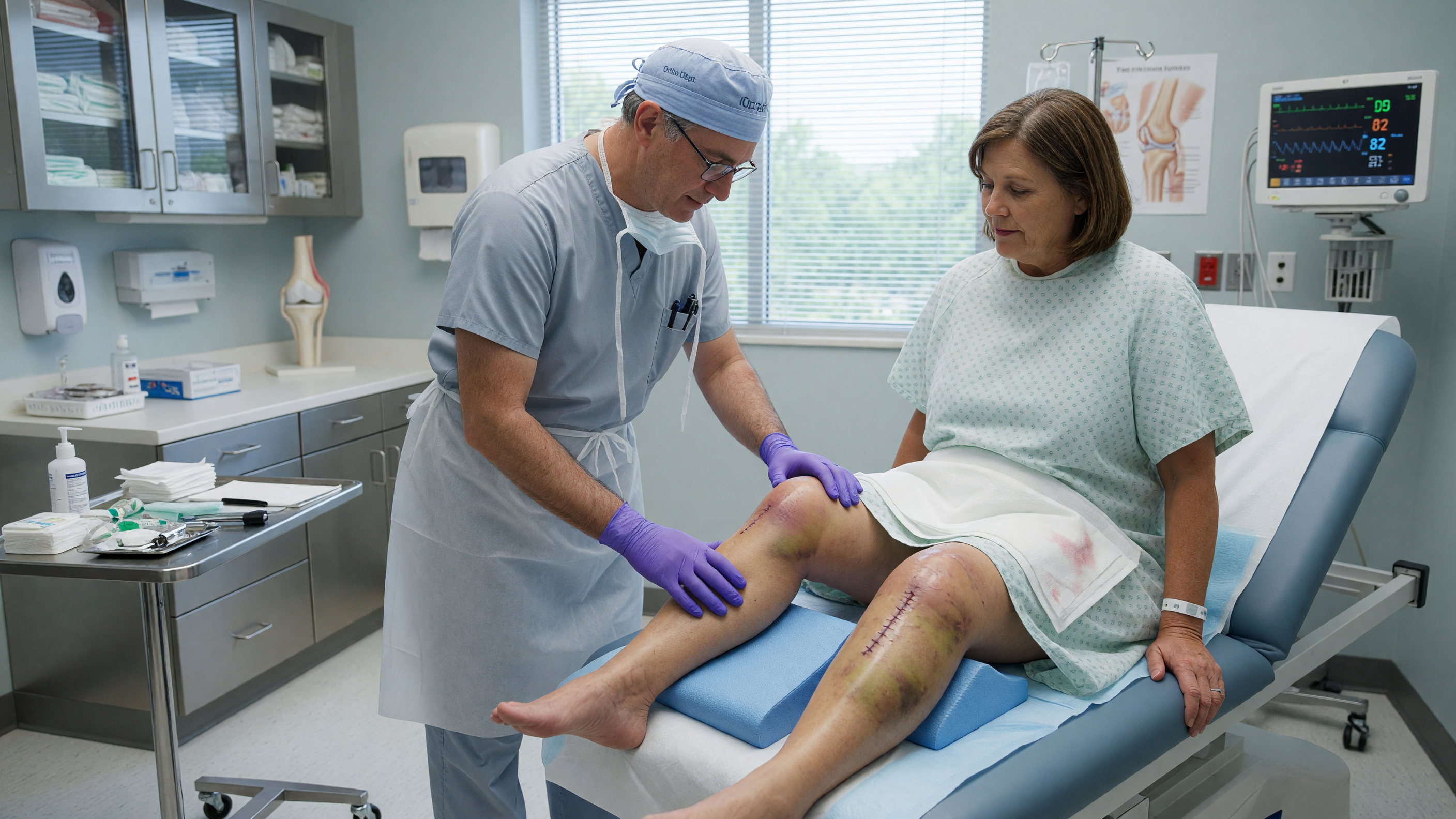
Some swelling after orthopaedic surgery is normal and usually fades within a few weeks as your body heals. Persistent swelling that lasts longer, worsens, or comes with pain, redness, or warmth may signal an underlying problem needing medical review. This article explains the common causes of swelling after orthopaedic surgery, from normal inflammation to infection and blood clots. You will learn the warning signs to watch for, practical ways to reduce swelling at home, and when to see a specialist. Understanding these causes helps you recover safely and spot complications early.
What Is Post-Surgical Swelling?
Post-surgical swelling is your body's natural response to the trauma of an operation. Fluid and immune cells rush to the healing area, causing puffiness and tightness.
Most swelling peaks in the first week and settles gradually. Persistent swelling after orthopaedic surgery means it lasts longer than expected or keeps returning.
Common situations where swelling appears include:
- After knee or hip replacement
- Following fracture repair surgery
- Post ligament or ACL reconstruction
- After shoulder or arthroscopy procedures
Concerned about lingering swelling? Book a consultation with the orthopaedic experts at Lux Hospitals.
1. Normal Inflammation and Healing
The most common cause of swelling is the body's normal inflammatory response. This is a healthy, expected part of recovery.
Inflammation brings blood, nutrients, and repair cells to the surgical site. It usually eases over two to six weeks.
Signs this swelling is normal include:
- Gradually decreasing over weeks
- Mild, not severe or sudden
- No fever or spreading redness
- Improves with rest and elevation
Not sure if your swelling is normal? Get it checked at Lux Hospitals.
2. Fluid Buildup and Edema
Sometimes fluid collects around the joint or wound, creating persistent edema. Gravity often pulls fluid toward the operated limb.
This is common after procedures like a total knee replacement or fracture fixation, where tissue disruption is significant.
Factors that worsen fluid buildup include:
- Sitting or standing too long
- Not elevating the limb enough
- Weak muscle pumping action
- Tight bandages restricting flow
3. Infection at the Surgical Site
Infection is a less common but serious cause of persistent swelling after orthopaedic surgery. It needs prompt medical attention.
Infection may develop days or weeks after your procedure, whether it was fracture repair or a joint replacement.
Warning signs of infection include:
- Increasing redness and warmth
- Pus or fluid draining from wound
- Fever or chills
- Worsening pain, not improving
Suspect an infection? Contact Lux Hospitals immediately for urgent evaluation.
4. Blood Clots (DVT)
Deep vein thrombosis is a blood clot in the leg veins and can cause swelling in one limb. It is a recognised risk after orthopaedic surgery.
A clot can be dangerous if it travels to the lungs, so early recognition matters.
Watch for these DVT symptoms:
- Swelling in one leg only
- Calf pain or tenderness
- Warmth and redness in leg
- Sudden breathlessness (emergency)
Sudden one-sided leg swelling needs urgent care—reach Lux Hospitals right away.
5. Overactivity and Poor Rest
Doing too much too soon is a frequent cause of returning swelling. The healing tissues get overloaded before they are ready.
Balancing gentle movement with adequate rest is key, whether recovering from a hip replacement or knee surgery.
Common overactivity triggers include:
- Walking long distances too early
- Skipping prescribed rest periods
- Ignoring physiotherapy guidance
- Returning to work prematurely
6. Lymphatic and Circulation Issues
Surgery can temporarily disrupt lymphatic drainage and blood circulation around the limb. This slows fluid clearance and prolongs swelling.
Older patients or those with existing vein problems may notice this more, including after arthroscopic knee surgery.
Contributing circulation factors include:
- Existing varicose veins
- Reduced muscle activity
- Obesity or diabetes
- Prolonged immobility after surgery
Persistent swelling deserves expert assessment at Lux Hospitals.
Warning Signs You Should Not Ignore
While most swelling is harmless, certain symptoms suggest a complication. Recognising them early can prevent serious problems.
Seek medical help promptly if you notice red-flag signs, especially after knee ligament and meniscus injury repair.
Call your doctor if you experience:
- Fever above 38°C
- Spreading redness or heat
- Foul-smelling wound drainage
- Sudden severe or one-sided swelling
- Chest pain or breathlessness
How to Reduce Swelling at Home
Simple measures can ease normal post-surgical swelling and support healing. Consistency matters more than intensity.
Follow your surgeon's instructions closely and combine these strategies daily, even during fracture treatment recovery.
Helpful swelling-reduction tips include:
- Elevate the limb above heart level
- Apply ice packs as advised
- Wear compression garments if recommended
- Do gentle prescribed exercises
- Stay hydrated and eat well
Need a personalised recovery plan? The team at Lux Hospitals can guide you.
Diagnosis and Treatment at Lux Hospitals
If swelling persists or worsens, our specialists investigate the underlying cause using targeted tests. Treatment depends on the diagnosis.
We offer thorough evaluation whether you had a total hip replacement or ACL reconstruction surgery.
Common diagnostic and treatment steps include:
- Physical examination and history
- Ultrasound to rule out clots
- Blood tests to detect infection
- Antibiotics for confirmed infection
- Physiotherapy and compression therapy
Why Choose Lux Hospitals?
Lux Hospitals combines experienced orthopaedic surgeons with advanced diagnostic and rehabilitation facilities. We focus on safe, complete recovery.
Our team monitors your healing closely and acts quickly on any complications, from bone fracture treatment to joint replacement.
What sets us apart includes:
- Skilled, experienced orthopaedic specialists
- Modern imaging and diagnostics
- Dedicated physiotherapy support
- Personalised post-surgery care plans
- Prompt complication management
Trust your recovery to the orthopaedic experts at Lux Hospitals—book your visit today.
Conclusion
Some swelling after orthopaedic surgery is a normal part of healing, but persistent or worsening swelling should never be ignored. Understanding the difference between routine inflammation and warning signs like infection or blood clots helps you recover safely. Simple steps such as elevation, ice, and gentle movement usually control everyday swelling.
If your swelling lasts longer than expected, spreads, or comes with fever, pain, or breathlessness, seek medical advice promptly. Early evaluation prevents small problems from becoming serious ones. The orthopaedic team at Lux Hospitals is ready to assess your symptoms, identify the cause, and guide you toward a smooth, complete recovery. Don't wait—reach out whenever swelling concerns you.