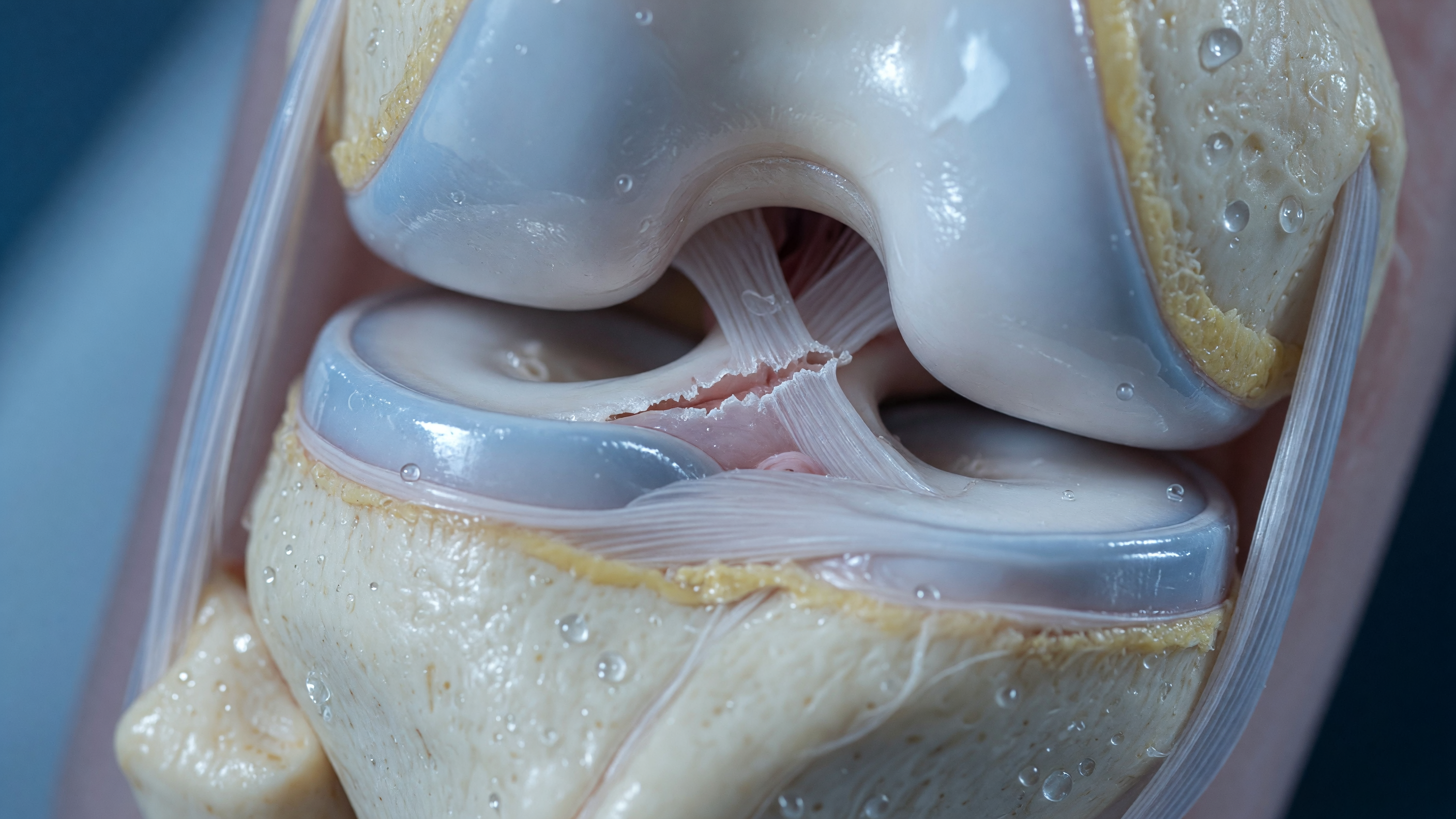
A meniscus tear is usually caused by a sudden twist or rotation of the knee while bearing weight, often during sports, or by gradual wear as cartilage weakens with age. Both forceful movements and everyday degeneration can damage this C-shaped cushion. This article explains the main meniscus tear causes, key risk factors, warning symptoms, and how doctors diagnose the injury. You will also learn about prevention tips and advanced treatment options available at Lux Hospitals, so you can protect your knees and know when to seek expert orthopedic care.
What Is a Meniscus Tear?
The meniscus is a C-shaped piece of cartilage that cushions your knee joint. Each knee has two menisci that absorb shock and keep the joint stable.
A tear happens when this cartilage is damaged by force or wear. Tears range from small and stable to large and displaced.
Common tear types include:
- Radial and horizontal tears
- Bucket-handle displaced tears
- Degenerative age-related tears
- Flap and root tears
Learn more about knee ligament and meniscus injuries with the specialists at Lux Hospitals.
1. Twisting and Pivoting Movements
Sudden twisting of the knee while the foot stays planted is the leading cause of meniscus tears. The rotation forces the cartilage beyond its normal range.
This often happens during quick direction changes or awkward pivots.
You may tear a meniscus when:
- Turning sharply while running
- Changing direction suddenly
- Pivoting with a fixed foot
- Twisting while carrying weight
2. Sports and High-Impact Activities
Athletes face a high risk because many sports involve cutting, jumping, and sudden stops. These movements strain the knee cartilage repeatedly.
Meniscus tears often occur alongside ligament injuries in contact sports.
High-risk activities include:
- Football, basketball, and soccer
- Tennis and squash
- Skiing and gymnastics
- Sudden stops and jump landings
If knee pain follows a sports injury, book an evaluation at Lux Hospitals today.
3. Age-Related Degeneration
As we age, cartilage loses water content and becomes weaker. A degenerative meniscus tear can then occur with minimal force.
Older adults may tear the meniscus during ordinary movements.
Degeneration-related tears are linked to:
- Natural cartilage thinning after 40
- Everyday bending or standing
- Coexisting knee osteoarthritis
- Weaker shock absorption over time
4. Sudden Trauma and Accidents
A direct blow or forceful impact to the knee can tear the meniscus instantly. This includes falls, collisions, and road accidents.
Such trauma may also damage nearby ligaments and bone.
Traumatic causes include:
- Falls onto a bent knee
- Vehicle or workplace accidents
- Direct collision during play
- Combined ACL and meniscus injury
For trauma-related knee damage, our bone fracture treatment team offers rapid expert care.
5. Deep Squatting and Heavy Lifting
Deep knee bends place intense pressure on the meniscus. Lifting heavy loads while squatting increases this strain.
Repeated deep flexion can gradually damage the cartilage.
Watch out for these habits:
- Deep squats under heavy weight
- Frequent kneeling or crouching
- Improper lifting technique
- Occupational squatting all day
Other Risk Factors for Meniscus Tears
Some people are more prone to tears due to underlying factors. These weaken the cartilage or increase joint stress.
Key risk factors include:
- Obesity and excess joint load
- Previous knee injuries
- Weak thigh and hip muscles
- Poor conditioning or flexibility
- Osteoarthritis in the knee
Explore the top causes of joint pain to understand your personal risk better.
Symptoms of a Torn Meniscus
A meniscus tear often produces pain and mechanical symptoms in the knee. Some people hear a pop at the moment of injury.
Symptoms may worsen over the following days.
Common symptoms include:
- Knee pain and swelling
- Stiffness and reduced motion
- Locking or catching sensation
- Feeling the knee giving way
- Difficulty straightening the leg
Don't ignore persistent knee symptoms—consult the orthopedic experts at Lux Hospitals.
How a Meniscus Tear Is Diagnosed
Doctors diagnose tears through a physical exam and imaging. They assess your knee's movement, tenderness, and stability.
Special tests help confirm the location and severity.
Diagnosis typically involves:
- Detailed medical history review
- McMurray and joint-line tests
- MRI scan for soft tissue
- X-rays to rule out fractures
- Arthroscopy for direct viewing
How to Prevent Meniscus Tears
You can lower your risk with simple protective habits. Strong muscles and good technique support your knees.
Helpful prevention steps include:
- Strengthen thigh and hip muscles
- Warm up before exercise
- Use proper lifting technique
- Wear supportive footwear
- Maintain a healthy body weight
Protect your knees—schedule a preventive orthopedic check-up at Lux Hospitals.
Treatment Options at Lux Hospitals
Treatment depends on the tear's size, type, and your activity level. Many small tears heal with conservative care, while larger tears need surgery.
Our specialists tailor every plan to your needs.
Treatment options include:
- Rest, ice, and physiotherapy
- Arthroscopic meniscus surgery for repair
- Meniscus root repair procedures
- Cartilage repair and regeneration
- Meniscus transplantation when needed
Discover advanced meniscus tear treatment options at Lux Hospitals.
Why Choose Lux Hospitals?
Lux Hospitals combines expert orthopedic surgeons with advanced arthroscopic technology. We focus on preserving your natural knee whenever possible.
Our team supports you from diagnosis through recovery.
What sets us apart:
- Experienced knee and sports surgeons
- Minimally invasive arthroscopy expertise
- Personalized rehabilitation programs
- Modern imaging and diagnostics
- Comprehensive follow-up care
Book your consultation with the knee specialists at Lux Hospitals today.
Conclusion
Most meniscus tears are caused by twisting the knee under load, high-impact sports, or age-related cartilage degeneration. Sudden trauma, deep squatting, and risk factors like obesity or prior injury also play a role. Understanding these meniscus tear causes helps you protect your knees and recognize symptoms early.
If you experience knee pain, swelling, locking, or instability, don't wait for the problem to worsen. Early diagnosis often means simpler treatment and faster recovery. The orthopedic team at Lux Hospitals offers accurate diagnosis, minimally invasive surgery, and personalized rehabilitation to restore your knee function. Reach out today to keep moving comfortably and confidently.