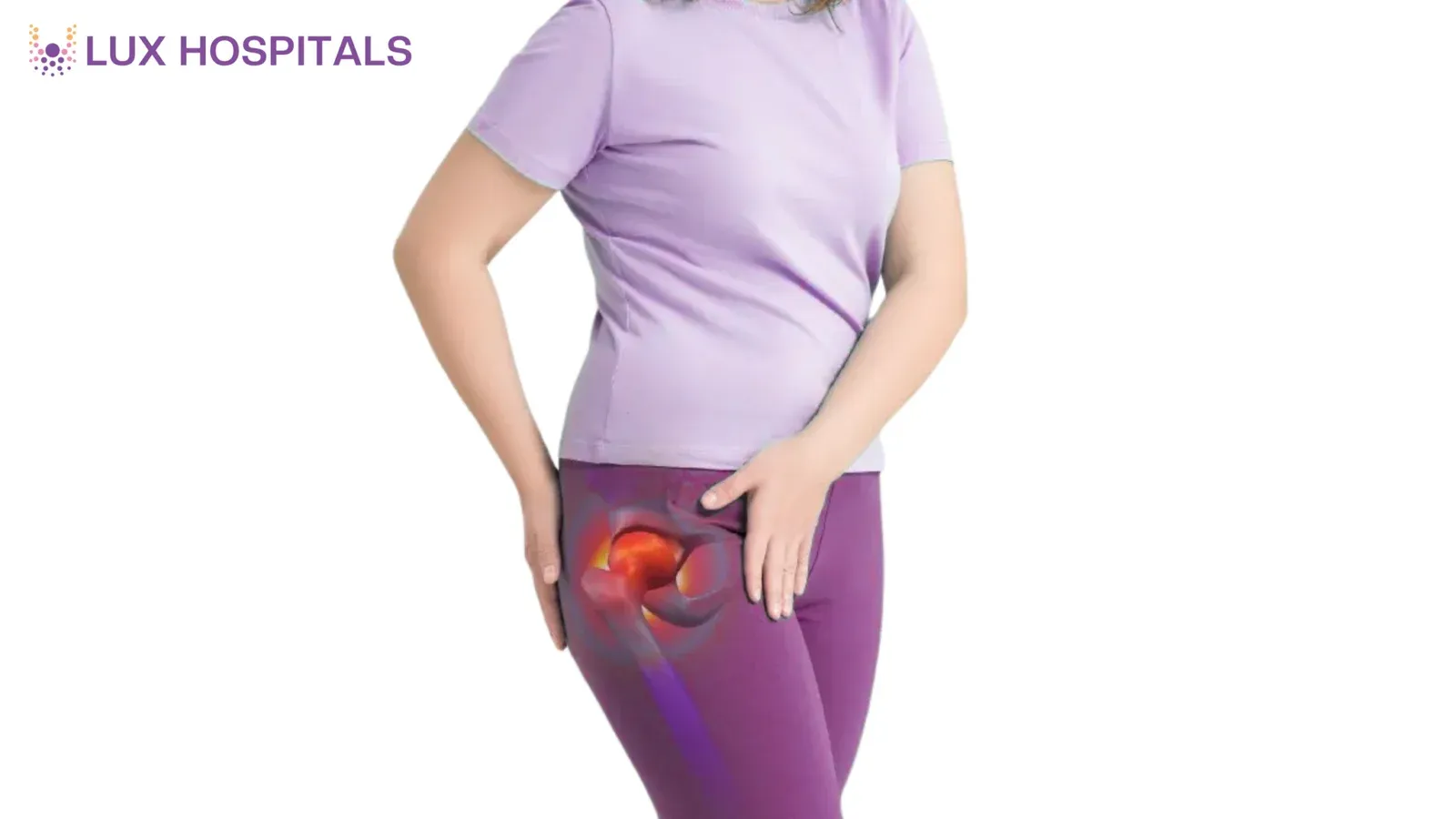
Chronic hip pain can slowly take away the simple joys of life — walking comfortably, climbing stairs, sleeping peacefully, or even standing without support. For many patients, medications and physiotherapy offer only temporary relief. Hip replacement becomes a game-changing treatment for severe hip joint degeneration, restoring movement, lowering discomfort, and significantly enhancing quality of life. This blog describes hip replacement surgery, who is eligible for it, how it enhances everyday mobility, and why prompt surgery can enable patients to resume an active, independent lifestyle.
Living with Chronic Hip Pain?👉Book a Hip Replacement Consultation at Lux Hospitals Today
What Is Hip Replacement Surgery?
Hip Replacement is a surgical procedure in which a damaged hip joint is replaced with an artificial implant made of metal, ceramic, or high-grade plastic. The goal is to remove the painful joint surfaces and restore smooth, pain-free movement.
This surgery is commonly recommended for patients with:
- Osteoarthritis
- Rheumatoid arthritis
- Hip fractures
- Avascular necrosis
- Severe joint degeneration
By replacing the damaged joint, Hip Replacement addresses the root cause of pain rather than just managing symptoms.
Why Hip Problems Reduce Mobility and Quality of Life?
The hip joint is essential for both balance and body mobility. When it becomes damaged, even small actions could seem depleting and uncomfortable. Patients may eventually restrict their range of motion to prevent discomfort, resulting in stiffness and muscular weakening.
Common challenges before surgery include:
- Constant hip or groin pain
- Difficulty walking or standing
- Limited range of motion
- Sleep disturbances due to pain
These issues significantly reduce independence, making Hip Replacement an important solution for long-term relief.
Difficulty Walking or Climbing Stairs?👉Schedule Your Hip Evaluation Now
How Hip Replacement Relieves Chronic Pain
One of the most immediate benefits of Hip Replacement is pain relief. The surgery removes worn-out cartilage and bone surfaces that cause friction and inflammation. The new artificial joint allows smooth movement without painful grinding.
Pain reduction after surgery leads to:
- Reduced dependency on painkillers
- Better sleep quality
- Improved mental well-being
- Increased confidence in movement
Patients often describe pain relief as “life-changing.”
How Hip Replacement Improves Mobility
Improved mobility is the most noticeable benefit of Hip Replacement. After recovery and rehabilitation, patients regain the ability to move freely without fear of pain or instability.
Mobility improvements include:
- Walking longer distances
- Climbing stairs comfortably
- Sitting and standing with ease
- Returning to light physical activities
With proper physiotherapy, most patients experience steady progress in strength and flexibility.
Ready to Move Freely Again?👉Book Your Hip Replacement Consultation
Restoring Independence and Daily Function
Loss of independence is one of the hardest parts of chronic hip conditions. Hip Replacement helps patients regain control over their daily lives by reducing reliance on others.
Post-surgery improvements often include:
- Performing household tasks independently
- Driving without discomfort
- Resuming social activities
- Traveling with confidence
These changes significantly enhance the overall quality of life and emotional health.
Who Is an Ideal Candidate for Hip Replacement?
Doctors recommend Hip Replacement when conservative treatments fail to relieve pain or improve function. The decision depends on pain severity, joint damage, and impact on daily activities.
You may benefit from surgery if:
- Pain persists despite medication
- Walking aids become necessary
- Joint stiffness limits movement
- Quality of life declines noticeably
Early evaluation ensures better outcomes and smoother recovery.
Not Sure If You Need Hip Replacement?👉Get a Personalized Assessment from Our Specialists
Recovery and Rehabilitation After Hip Replacement
Recovery is a long process that involves physiotherapy and lifestyle improvements. Modern surgical procedures allow speedier healing and shorter hospital stays.
Key recovery milestones include:
- Standing and walking within days
- Gradual strength building through exercises
- Improved balance and coordination
- Full recovery over a few months
Following rehabilitation plans maximises the success of Hip Replacement.
Long-Term Quality of Life Benefits
The long-term impact of Hip Replacement goes beyond pain relief. Most patients report better physical, emotional, and social well-being years after surgery.
Long-term benefits include:
- Sustained pain-free movement
- Improved posture and balance
- Enhanced participation in daily life
- Greater confidence and independence
These outcomes make hip replacement one of the most successful orthopaedic procedures.
Take the First Step Toward a Pain-Free Future👉Book Your Hip Replacement Consultation Today
Conclusion
Chronic hip pain does not have to define your life. Hip Replacement offers a proven, long-term solution for restoring movement, reducing pain, and improving overall quality of life. With timely surgery and guided rehabilitation, patients can return to daily activities with confidence and comfort. At Lux Hospital, orthopaedic specialists focus on patient-centred care, advanced surgical techniques, and personalised recovery plans. By choosing expert care and early intervention, patients undergoing Hip Replacement can reclaim mobility and enjoy a healthier, more active future.