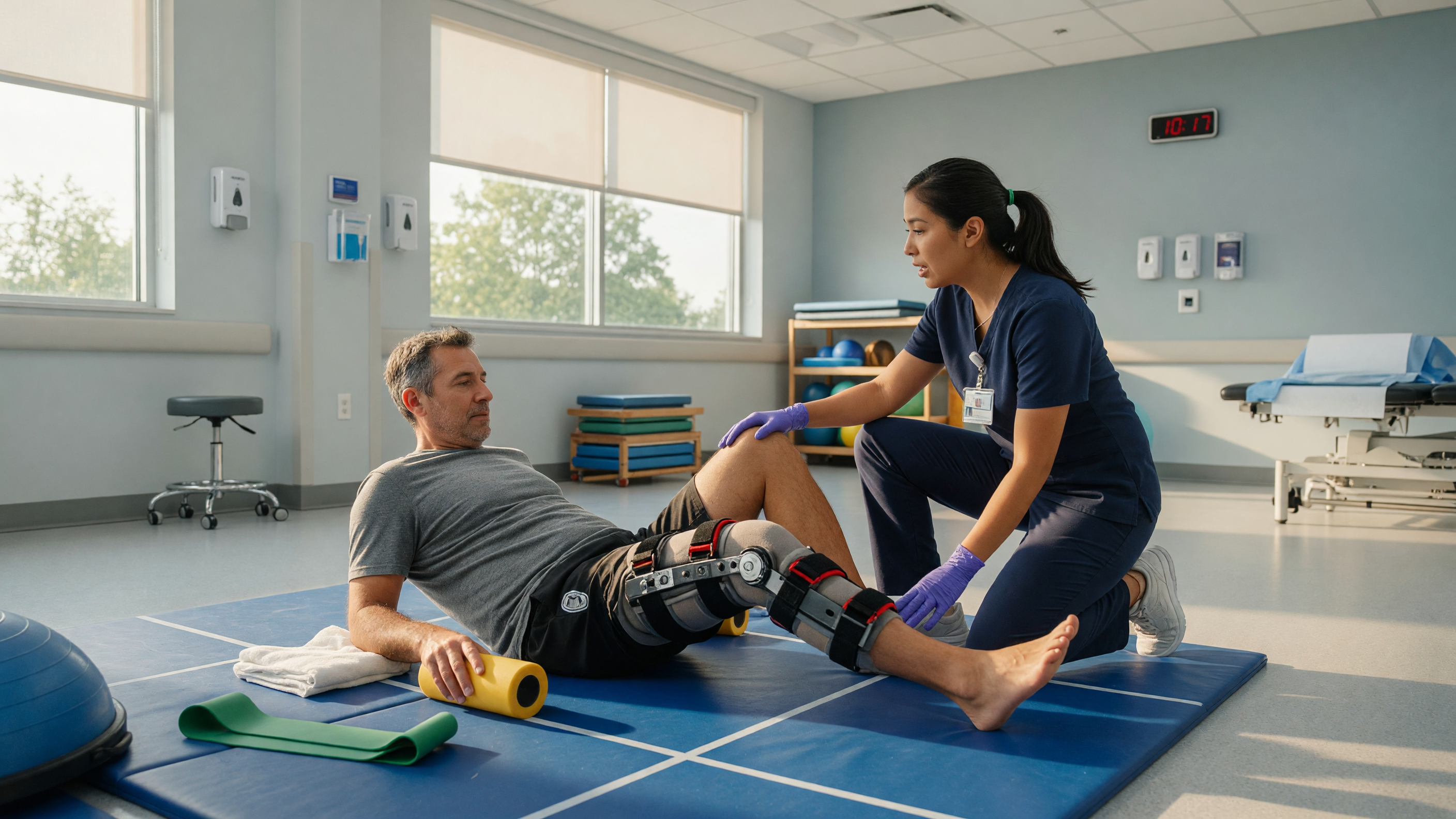
ACL reconstruction surgery recovery typically takes 6 to 12 months, progressing from swelling control and walking in the first weeks to full sports activity by 9-12 months. Most patients regain daily function within 3 months, but graft healing and strength take longer. This article walks you through the complete recovery timeline, phase by phase. You'll learn what to expect each week, key rehab milestones, and warning signs. We also cover tips to speed healing and how expert care at Lux Hospitals supports a safe, confident return to activity.
What Is ACL Reconstruction Surgery?
ACL reconstruction surgery repairs a torn anterior cruciate ligament, a key stabilizer of the knee. Surgeons replace the damaged ligament with a graft, often from your own tendon.
The procedure is usually done arthroscopically, meaning through small incisions. This minimally invasive approach speeds healing and reduces scarring.
Common reasons people need this surgery include:
- Sports injuries with sudden pivoting
- Knee instability or giving way
- Complete ligament tears
- Combined ligament and meniscus damage
Learn more about ACL tear treatment options at Lux Hospitals today.
Recovery Timeline at a Glance
Recovery from ACL reconstruction surgery is gradual and follows clear phases. Rushing any stage risks re-injury, so patience matters.
Here is the broad timeline most patients follow:
- Days 1-14: swelling control, walking with crutches
- Weeks 2-6: restoring range of motion
- Weeks 6-12: building muscle strength
- Months 3-6: agility and jogging
- Months 6-12: return to sport
Book a personalized ACL surgery consultation with our orthopedic specialists.
Phase 1: Days 1-14 (Immediate Recovery)
The first two weeks focus on protecting the graft and reducing swelling. You'll likely use crutches and a brace during this time.
Gentle movements and icing keep the knee calm and prevent stiffness.
Early goals include:
- Managing pain and swelling
- Regaining full knee extension
- Activating quadriceps muscles
- Walking short distances with support
- Keeping the wound clean and dry
Phase 2: Weeks 2-6 (Early Rehab)
During weeks two to six, physical therapy after ACL surgery becomes central. Most patients gradually stop using crutches.
Range of motion improves and normal walking returns for many people.
Typical milestones in this phase:
- Bending the knee past 90 degrees
- Walking without crutches
- Reducing residual swelling
- Starting stationary cycling
- Improving balance and control
Follow a guided rehab plan designed by the Lux Hospitals team.
Phase 3: Weeks 6-12 (Strengthening)
This phase shifts toward rebuilding strength and stability around the knee. The graft is healing but still vulnerable.
Structured exercises target the quadriceps, hamstrings, and hips.
Focus areas include:
- Progressive resistance training
- Squats and leg presses
- Core and hip strengthening
- Low-impact cardio workouts
- Restoring full range of motion
Phase 4: Months 3-6 (Advanced Training)
By months three to six, activity levels rise significantly. Many patients start light jogging and agility drills.
Your therapist introduces movement patterns closer to real-world activity.
Common goals in this stage:
- Straight-line running
- Controlled jumping and landing
- Improving neuromuscular control
- Building endurance and speed
- Sport-specific movement prep
Ensure your knee ligament recovery stays on track with expert monitoring.
Phase 5: Months 6-12 (Return to Sport)
Return to sport after ACL surgery usually happens between 9 and 12 months. Timing depends on strength, stability, and confidence.
Surgeons often use tests to confirm readiness before clearance.
Before returning to competition, you should show:
- Symmetric leg strength
- Confident cutting and pivoting
- No pain or swelling with activity
- Passing functional hop tests
- Full psychological readiness
Factors That Affect Recovery Speed
No two recoveries are identical. Several factors influence how quickly you heal after surgery.
Understanding these helps set realistic expectations.
Key factors include:
- Age and overall fitness
- Graft type used
- Associated meniscus injuries
- Rehab consistency and effort
- Following your surgeon's advice
Discuss your individual ACL graft healing timeline with our specialists.
Tips to Speed Up Your Recovery
Smart habits can support faster, safer healing. Consistency with rehab matters more than intensity.
Avoid shortcuts that risk re-tearing the graft.
Helpful recovery tips:
- Attend every physiotherapy session
- Eat a protein-rich, balanced diet
- Stay hydrated and sleep well
- Avoid high-risk movements early
- Do prescribed home exercises daily
Warning Signs to Watch For
Most recoveries progress smoothly, but complications can occur. Knowing red flags helps you act early.
Contact your surgeon promptly if problems appear.
Seek medical advice if you notice:
- Increasing pain or swelling
- Fever or wound discharge
- Sudden knee instability
- Persistent stiffness or locking
- Calf pain or tenderness
Notice any warning signs? Contact the Lux Hospitals orthopedic team immediately.
Why Choose Lux Hospitals?
Lux Hospitals offers advanced, patient-focused orthopedic care for knee ligament injuries. Our team combines modern surgical techniques with structured rehabilitation.
We guide you through every phase of recovery with personalized support.
What sets our care apart:
- Experienced orthopedic surgeons
- Minimally invasive arthroscopic techniques
- Tailored rehabilitation programs
- Advanced diagnostic imaging
- Compassionate, end-to-end support
Schedule your consultation at Lux Hospitals and start your recovery journey today.
Conclusion
ACL reconstruction surgery recovery is a gradual, structured journey that typically spans 6 to 12 months. Each phase—from early swelling control to full return to sport—builds on the last. Following your rehabilitation plan consistently gives you the best chance of a strong, stable knee.
Every patient heals at their own pace, so patience and expert guidance are essential. With the right care team, most people return safely to the activities they love. If you're considering ACL surgery or want a clear recovery roadmap, the specialists at Lux Hospitals are ready to help you regain confidence and mobility.