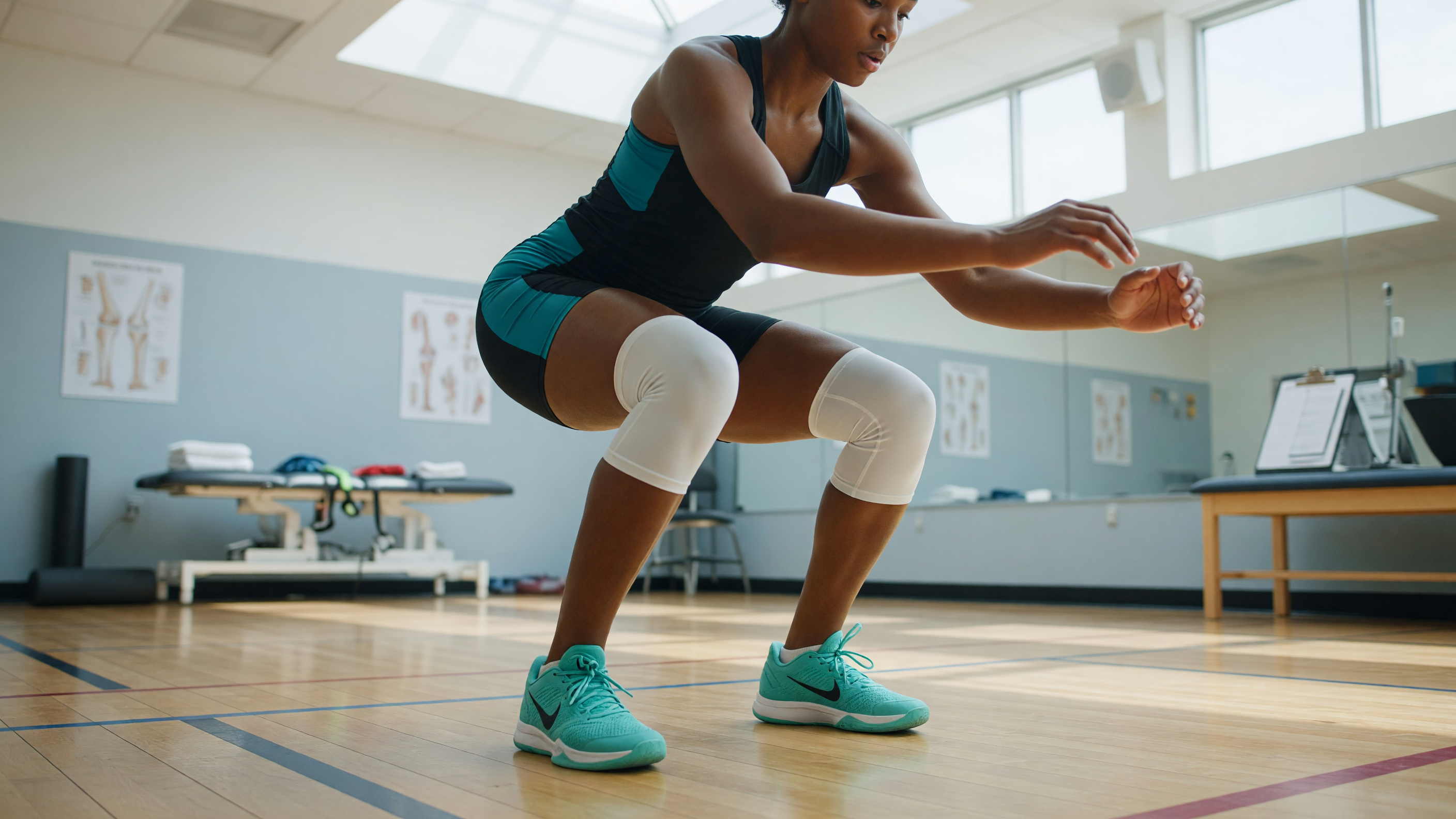
To prevent ACL tears during sports, focus on neuromuscular training, leg strengthening, proper landing and cutting technique, and consistent warm-ups. These evidence-based ACL injury prevention strategies can dramatically lower your risk on the field or court. In this guide, we explain how the ACL works, why athletes tear it, and the practical steps that protect your knees. You'll learn targeted exercises, gear tips, and warning signs to watch for. We also cover when to see a specialist and the treatment options available at Lux Hospitals if an injury does occur.
What Is the ACL and Why It Tears
The anterior cruciate ligament (ACL) is a strong band inside your knee that keeps the joint stable. It stops your shinbone from sliding forward and controls twisting movements.
Most tears happen without contact, during sudden stops or awkward landings. Common triggers include:
- Sudden stops or direction changes
- Awkward landings from a jump
- Pivoting on a planted foot
- Direct blows to the knee
- Overextending the knee joint
Learn more about ACL tear treatment options at Lux Hospitals.
Who Is Most at Risk for ACL Tears
ACL injuries are especially common in sports involving jumping, cutting, and pivoting. Certain factors raise your risk more than others.
You may be more vulnerable if you fall into these groups:
- Basketball, soccer, and skiing athletes
- Female athletes due to anatomy
- Players with weak leg muscles
- Those with poor landing technique
- Anyone with a previous knee injury
1. Warm Up Before Every Session
A proper warm-up prepares your muscles and ligaments for sudden movement. Cold, stiff muscles are far more likely to fail under stress.
Aim for 10–15 minutes of dynamic warm-up including:
- Light jogging or skipping
- Leg swings and hip circles
- Dynamic lunges and squats
- Sport-specific movement drills
- Gradual increase in intensity
Protect your knees—book a sports injury assessment at Lux Hospitals.
2. Build Leg and Core Strength
Strong muscles absorb force that would otherwise strain your ACL. Balanced strength between the quadriceps and hamstrings is especially important.
Focus your training on these areas:
- Hamstrings and quadriceps balance
- Glutes and hip stabilisers
- Core and lower-back muscles
- Calves for landing control
- Single-leg strength exercises
3. Practice Neuromuscular Training
Neuromuscular training teaches your body to move safely and react quickly. Studies show these programmes significantly reduce ACL tears in athletes.
A good programme typically includes:
- Balance and proprioception drills
- Plyometric jump training
- Agility and cutting practice
- Core stability exercises
- Feedback on movement patterns
Prevent knee ligament and meniscus injuries with expert guidance from Lux Hospitals.
4. Master Safe Landing and Cutting
How you land and change direction hugely affects ACL stress. Landing stiff-legged or knock-kneed is a major risk factor.
Practise these safer movement habits:
- Land softly with bent knees
- Keep knees over your toes
- Avoid inward knee collapse
- Use a wider, stable base
- Decelerate before changing direction
5. Use Proper Footwear and Gear
The right footwear improves grip and reduces awkward twisting of the knee. Worn-out or wrong-surface shoes increase injury risk.
Choose your gear carefully:
- Sport-specific, well-fitting shoes
- Correct cleats for the surface
- Replace worn-out footwear
- Consider a knee brace if advised
- Ensure good traction control
Not sure about your knee health? Consult the specialists at Lux Hospitals.
6. Prioritise Rest and Recovery
Fatigued muscles lose coordination and can't protect the knee properly. Overtraining is a silent contributor to ACL injuries.
Support recovery with these habits:
- Schedule regular rest days
- Sleep seven to nine hours
- Stay well hydrated
- Eat protein for muscle repair
- Listen to early fatigue signs
Warning Signs You Should Not Ignore
Sometimes an ACL injury happens despite precautions. Recognising the symptoms early leads to better outcomes.
Seek medical attention if you notice:
- A loud pop at injury
- Sudden severe knee pain
- Rapid swelling within hours
- Knee giving way or instability
- Difficulty bearing weight
Spotting these ACL tear symptoms? Get evaluated at Lux Hospitals right away.
Treatment Options at Lux Hospitals
If an ACL tear occurs, timely, expert care restores stability and function. Treatment depends on the tear's severity and your activity goals.
Options our specialists may recommend include:
- Physiotherapy and bracing for partial tears
- Arthroscopic ACL reconstruction
- ACL and PCL reconstruction surgery
- Meniscus repair when combined
- Structured post-surgery rehabilitation
Why Choose Lux Hospitals?
Lux Hospitals combines experienced orthopaedic surgeons with advanced sports medicine care. We focus on both prevention and recovery.
Patients choose us for:
- Skilled orthopaedic and sports specialists
- Minimally invasive arthroscopic techniques
- Personalised rehabilitation plans
- Modern diagnostic imaging
- Compassionate, patient-centred care
Take charge of your knee health—schedule a consultation at Lux Hospitals today.
Conclusion
Preventing ACL tears comes down to preparation and smart training. Consistent warm-ups, balanced strength work, neuromuscular drills, and proper landing technique dramatically reduce your risk during sports. Wearing the right gear and respecting rest days further protect your knees over the long term.
Even with the best precautions, injuries can still happen. If you experience knee instability, swelling, or a popping sensation, don't wait—early evaluation makes a real difference. The orthopaedic and sports medicine team at Lux Hospitals offers expert diagnosis, advanced arthroscopic surgery, and tailored rehabilitation. Whether you want to prevent injury or recover from one, our specialists are here to help you stay active and confident.